



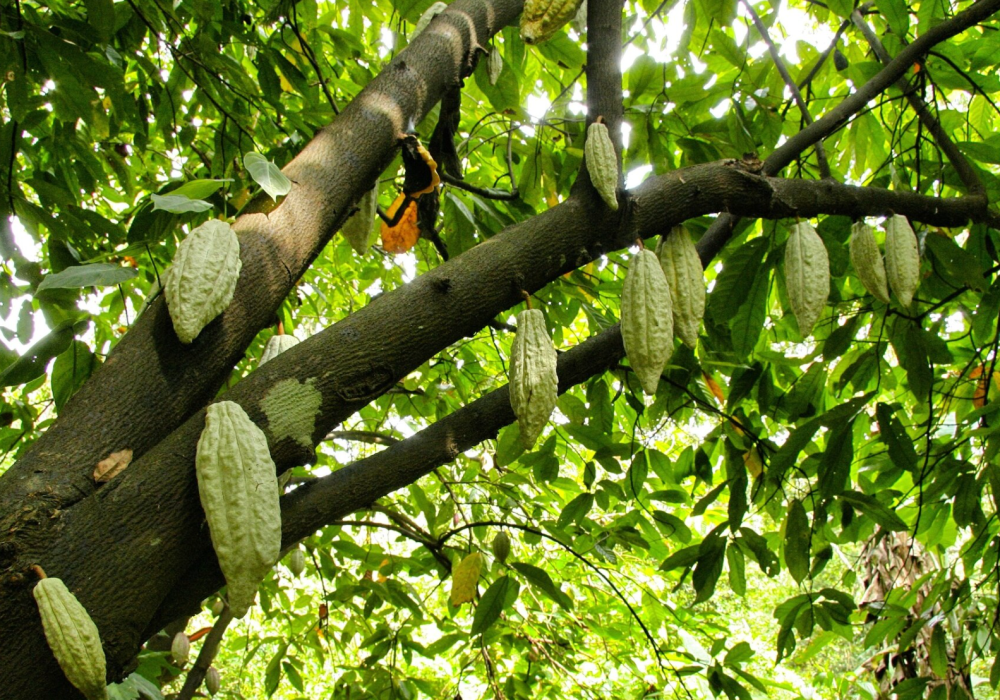


balanced acidity, and long-lasting
finish—flavor characteristics shaped by a uniquely tropical climate.


The Taste of the Soil. The Scent of the Wind. The Story of Vietnam
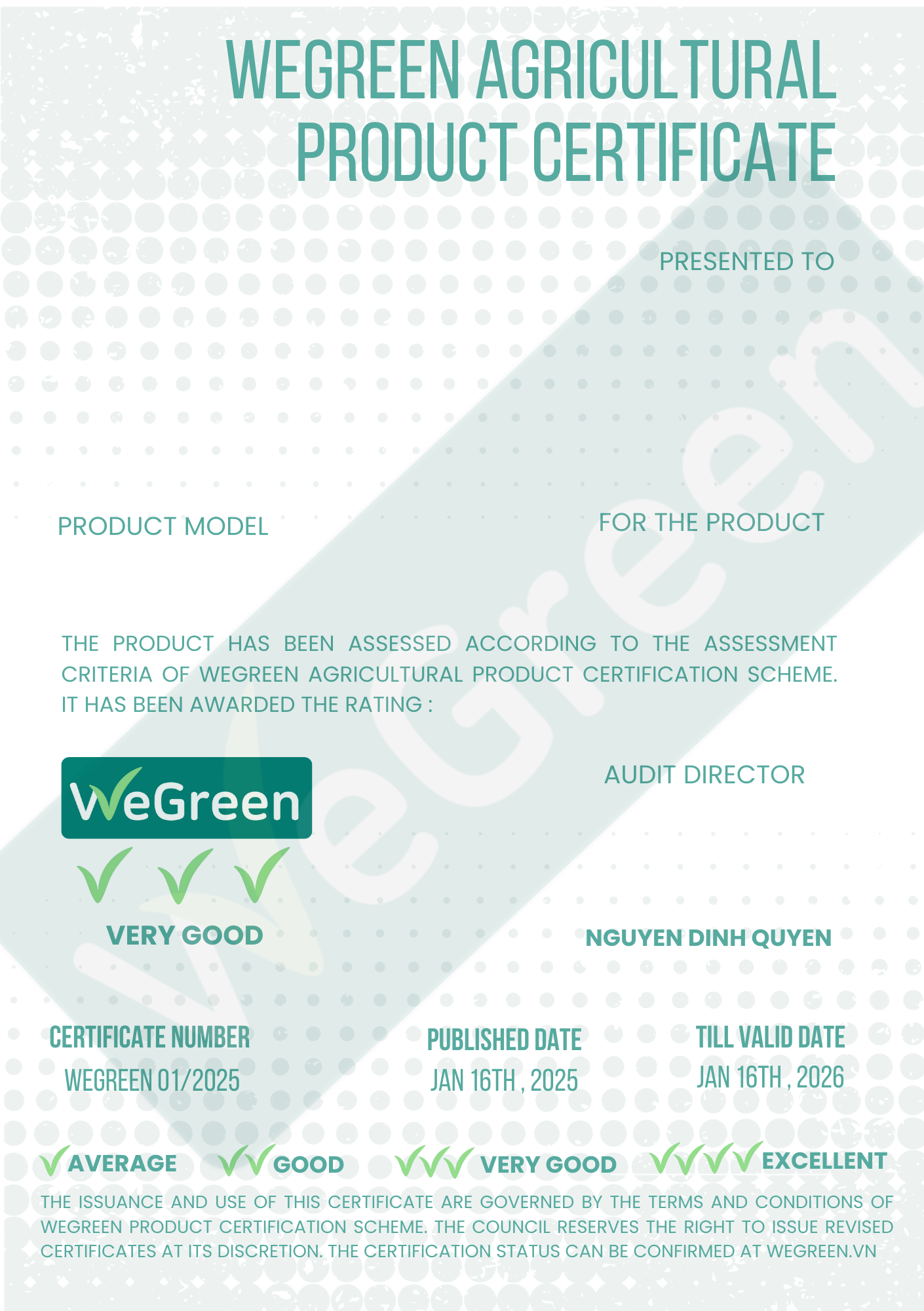
Cacao Viet complies with the WeGreen certification program.
The WeGreen certification is a development-oriented program designed to promote sustainable agricultural practices and support production communities. This certification focuses on ensuring that products are produced according to high environmental, social, and economic standards, contributing to environmental protection, improving farmers’ livelihoods, and promoting social responsibility across agricultural, manufacturing, and service sectors.
The WeGreen program typically evaluates aspects such as:
- Sustainable production practices: Efficient use of resources, soil and water conservation, and minimizing negative environmental impacts.
- Community improvement: Supporting education, healthcare, and economic opportunities for local communities.
- Social responsibility: Promoting fair working conditions, protecting workers’ rights, and combating child labor.
This certification helps producers and product brands affirm their commitment to sustainable and ethical values.
Evaluation Criteria Framework
A. SUSTAINABLE PRODUCTION PRACTICES FRAMEWORK
Sustainable production practices encompass a series of measures aimed at optimizing resource use, protecting the environment, and maintaining long-term productivity. Specifically:
Efficient resource use:
- Optimize water use by applying water-saving technologies such as drip irrigation or mist irrigation systems.
- Reduce resource waste by using materials, fertilizers, and energy appropriately, preventing soil and water contamination.
- Prioritize the use of renewable energy (such as solar or biomass) during production to reduce carbon emissions.
Soil and water conservation:
- Apply techniques such as crop rotation, intercropping, or mulching to protect and maintain soil fertility.
- Plant cover crops or regenerate forests to retain soil moisture and prevent erosion.
- Build rainwater harvesting and reuse systems to reduce pressure on natural water sources.
Minimizing negative environmental impacts:
- Use biological control methods instead of harmful chemicals to protect ecosystems and maintain biodiversity.
- Reduce greenhouse gas emissions by using organic fertilizers, recycling production waste, and adopting low-emission production techniques.
- Plant trees and protect forests to absorb carbon and safeguard natural habitats.
These practices not only protect the environment but also enhance product quality, improve producers’ livelihoods, and contribute to the sustainable development of the community.

B. COMMUNITY IMPROVEMENT FRAMEWORK
Community improvement is one of the key pillars of sustainable development programs, especially in the agricultural production sector. These efforts not only benefit farmers but also contribute to building prosperous and stable communities. Specifically, community support activities in this field include:
1. Education Support
- Technical farming training: Provide training programs for farmers on modern farming techniques, sustainable agricultural methods, and resource management.
- Educational infrastructure development: Support the construction or improvement of schools and provide learning equipment for children in local communities.
- Scholarships and educational funding: Offer scholarships or tuition assistance for farmers’ children, giving them better educational opportunities and helping break the cycle of poverty.
2. Healthcare Support
- Basic medical services: Establish health centers or organize free medical check-ups and treatment for rural communities.
- Health awareness programs: Implement health education initiatives such as disease prevention, nutrition, and personal hygiene.
- Health insurance: Subsidize or provide health insurance for farmers and their families to reduce financial burdens related to health issues.
3. Economic Opportunities
- Financial support: Provide microloans or seed capital for farmers to invest in production, improve productivity, and enhance product quality.
- Skills development: Offer vocational training for farmers and community members to help diversify income sources.
- Sustainable value chain building: Create direct connections between farmers and purchasing companies, reducing reliance on intermediaries and increasing farmers’ income.
Long-Term Benefits
These initiatives not only improve farmers’ livelihoods but also contribute to:
- Strengthening community cohesion: Communities become stronger and more united when basic needs are addressed.
- Sustainable development: Better living conditions reduce reliance on unsustainable resource exploitation.
- Developing future generations: Children who receive better education and support will grow into skilled workers and leaders of the community.
Focusing on community improvement is not only a humanitarian effort but also a foundation for long-term sustainability and stability in the agricultural sector.


C. SOCIAL RESPONSIBILITY FRAMEWORK
Social responsibility is a core aspect of sustainable development, especially in sectors such as agriculture and manufacturing, where workers often face significant challenges related to rights and working conditions. Efforts to promote social responsibility not only improve workers’ quality of life but also help build a fair, sustainable, and ethical production ecosystem. Specifically:
1. Promoting Fair Working Conditions
- Fair wages: Ensure workers receive decent, livable wages that accurately reflect their labor and the value they create. This helps reduce economic inequality and improve quality of life.
- Reasonable working hours: Establish clear regulations on working hours, rest periods, and leave policies to prevent exploitation and overwork.
- Safe working environment: Provide protective equipment, safety training, and implement accident-prevention measures, especially in high-risk sectors such as manufacturing and processing.
2. Protecting Workers’ Rights
- Transparent labor contracts: Ensure all employment agreements are formalized through clear, transparent contracts with well-defined rights and obligations.
- Right to union participation: Encourage and support workers in joining labor unions to safeguard collective rights and enhance dialogue between workers and employers.
- Non-discrimination: Guarantee that no discrimination occurs in recruitment, wages, or promotion based on gender, age, ethnicity, religion, or any other personal factor.
3. Combating Child Labor
- Prohibition of child labor: Establish strict standards on legal working age to ensure children are not forced to work in hazardous or age-inappropriate conditions.
- Supporting children’s education: Instead of working, children should be provided with education and vocational training opportunities to build a better future.
- Supply chain monitoring: Implement supply chain monitoring and auditing systems to ensure no child labor is involved at any stage of production.
Long-Term Benefits of Implementing Social Responsibility
- Improved labor productivity: Workers treated fairly and provided with safe working environments are more motivated, resulting in higher productivity and product quality.
- Enhanced brand reputation: Companies that uphold social responsibility are highly valued by consumers and partners, creating a competitive market advantage.
- Promotion of sustainable development: When workers and communities are supported, the economic ecosystem becomes more stable, creating a strong foundation for long-term growth.
- Reduced social inequality: Enforcing social responsibility helps narrow gaps between social groups, contributing to a more equitable and inclusive society.
In summary, social responsibility is not only an obligation of organizations and businesses but also a crucial strategy for creating long-term value for workers, communities, and the businesses themselves. Promoting fair working conditions, protecting workers’ rights, and eliminating child labor deliver immediate benefits while contributing significantly to the sustainable development of the global society.


