The Taste of the Soil - The Scent of the Wind - The Story of Vietnam





balanced acidity, and long-lasting
finish—flavor characteristics shaped by a uniquely tropical climate.


The Taste of the Soil. The Scent of the Wind. The Story of Vietnam
THE HISTORY OF CHOCOLATE
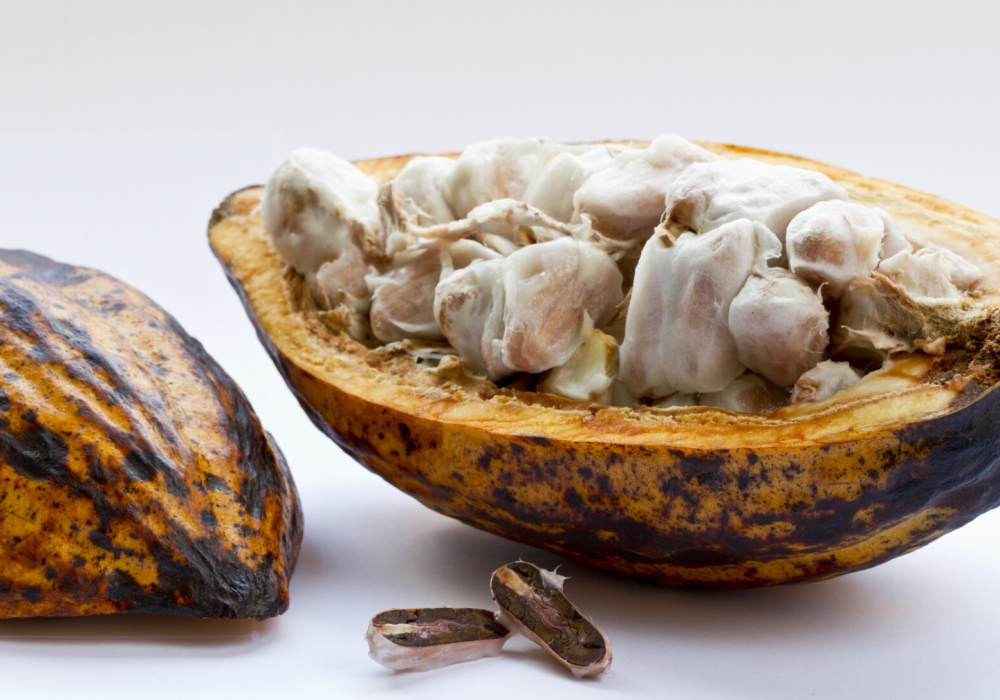
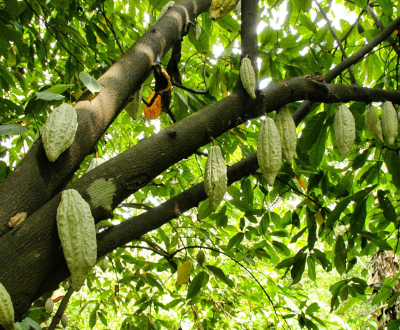
Historians believe that the history of chocolate dates back to 1900 to 1500 BC in Southern Mexico, although back then people used cocoa beans in a completely different way than we do today. At that time, cocoa beans were reserved only for the upper classes of society, the Mayans used cocoa beans as a drink. They grind cocoa beans with stone tools and mix them with spices and water to create a foamy drink.

For the Aztecs, cocoa beans were seen as a gift from Quetzalcoatl, the god of wisdom, and cocoa beans were so highly valued that they were used as a currency. Cocoa beans not only have monetary value, but are also believed to have spiritual and medicinal value. For people in the ancient world, the cocoa tree had many valuable qualities, but it was not until later that it developed into a favorite dish that it is today.
The Evolution of Chocolate
It wasn’t until the 16th century, when the Europeans conquered the Aztecs, that they learned of the cacao bean and brought it back to Europe along with the gold and silver they looted. Originally a luxury drink reserved only for the Spanish elite, over time it spread throughout Europe and made its way into the homes of ordinary people.
The industrial age is the main driving force behind the globalization of chocolate. In the early 1700s, a Frenchman named Doret invented a hydraulic machine that could grind cocoa beans into a paste, and in 1828, a Dutch chemist named Van Houten invented the cocoa press, which was used to press cocoa butter, separate it from the cocoa powder.
Today’s Chocolate
The flavor and texture of chocolate that we see today was developed in 1847, when Joseph Fry discovered that chocolate became smoother and softer when melted cocoa butter was added. Milk chocolate only appeared in the late 19th century, when Daniel Peter and Henri Nestlé teamed up to introduce powdered milk with chocolate, leading to the introduction of the beloved milk chocolate.
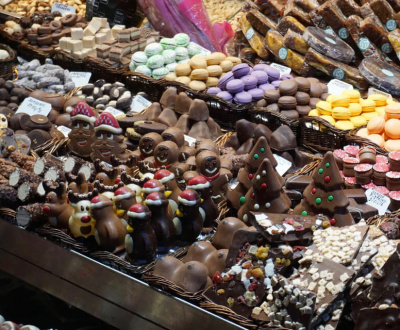
The popularity of chocolate really exploded during World War 1, when chocolate was part of the diet of American soldiers, and by 1930, there were nearly 40,000 different types of chocolate — all of which were far removed in both taste and texture from the bitter drink consumed thousands of years earlier.
Chocolate has a long history of thousands of years and since its appearance, humans have never stopped craving it.
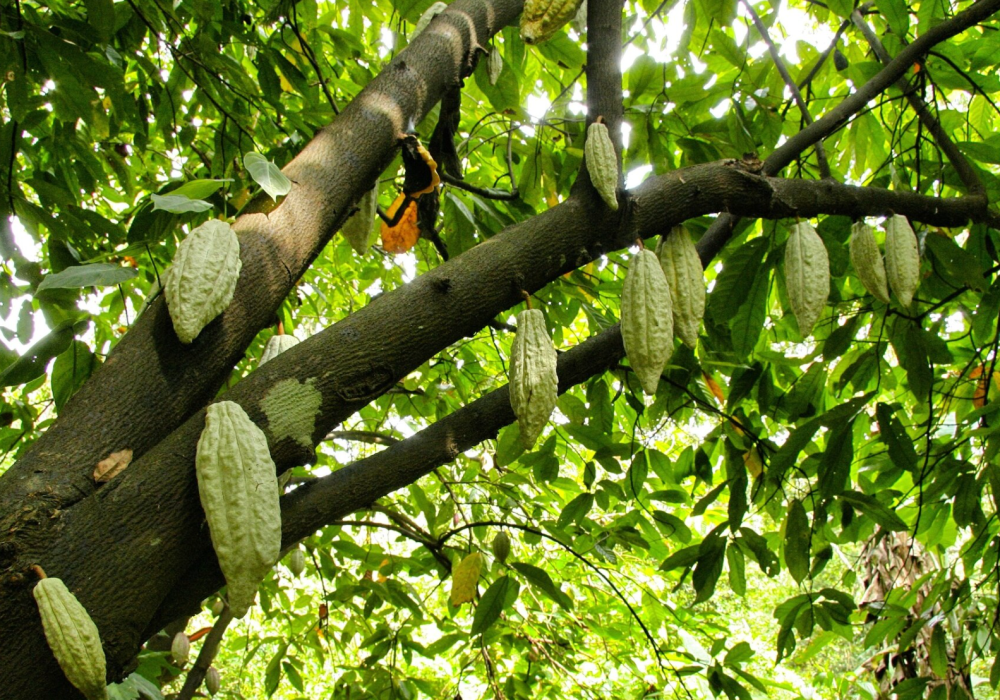
At SAVIE, we want to contribute our little energy to spread the beauty of chocolate to everyone, so that on this very land – where the cocoa trees are being grown – people can enjoy high-quality chocolate products from its own cocoa beans.
Bài Viết Khác
See all posts
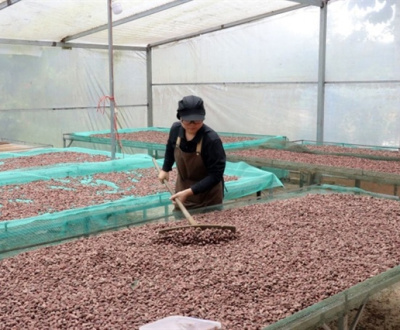
Cacao Viet is an agricultural program developed by ESG Education & Business, aimed at promoting sustainable farming practices and supporting agricultural communities and the production industry. The program focuses on ensuring that products are produced in alignment with high environmental, social, and economic standards, contributing to environmental protection, improving the livelihoods of those involved in the project, and fostering social responsibility.
