The Taste of the Soil - The Scent of the Wind - The Story of Vietnam




balanced acidity, and long-lasting
finish—flavor characteristics shaped by a uniquely tropical climate.


The Taste of the Soil. The Scent of the Wind. The Story of Vietnam
Raw cocoa market potential in Vietnam
The climate, soil and cultivation and fermentation techniques in many localities help Vietnam become a destination for many chocolate and confectionery enterprises.
Although Vietnam’s chocolate market is new in the early stages of development, it is showing great potential with a lot of room for development in all 3 segments of finished chocolate, raw materials and cocoa growing areas – the main raw materials used to produce chocolate.

In Vietnam, companies purchase cocoa and cocoa powder from farms in Africa, Southeast Asia or Vietnamese gardeners themselves, then produce raw chocolate in the form of large sheets. Since then, these units have supplied bakeries nationwide, confectionery businesses or brands producing finished chocolate. Some prominent enterprises in this industry are Puratos, Fancy Foods or Ganafarm…
Accordingly, Fancy Foods is located in the ecosystem of Nhat Huong, is one of the leading manufacturers and distributors of raw materials in the bakery and bartending industry in Vietnam. With nearly 30 years of experience in the food industry, Nhat Huong has built a reputation with famous products such as high-quality baking ice cream and mixing ice cream.
After more than 20 years of supporting thousands of bakeries, the unit realizes that the demand for raw chocolate for the market is very large. Therefore, in January 2019, the company opened a factory to produce and distribute high-quality raw chocolate for the domestic market and export to dozens of countries, especially fastidious markets such as the US, Canada, Japan, etc.
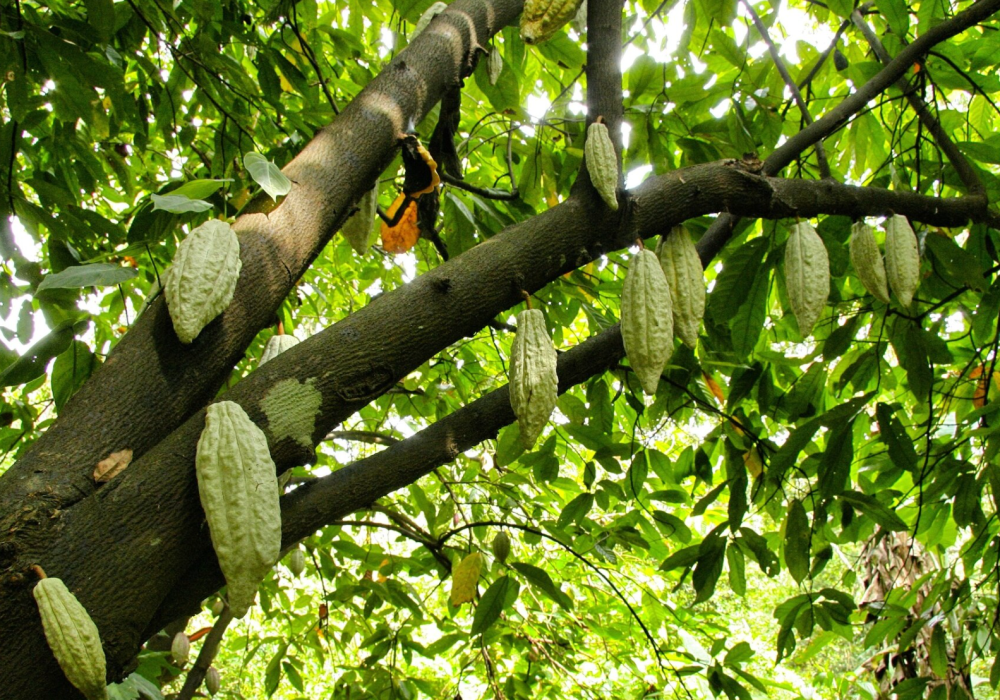
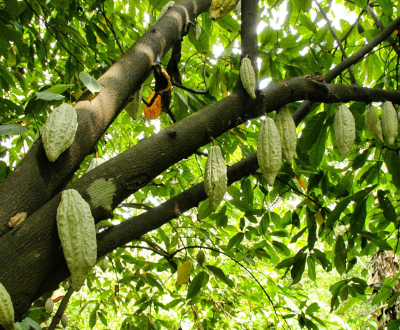
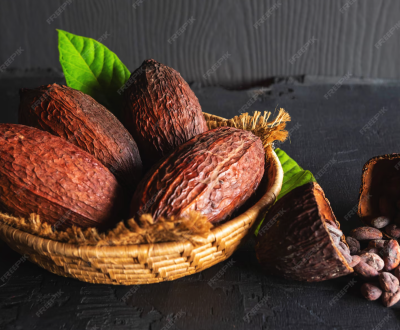
A representative of Nhat Huong said that to produce premium chocolate, cocoa raw materials are very important, in addition to strict processes and modern machinery. Cocoa is mainly grown in the regions surrounding the equator in humid climates. Africa is a long-standing cocoa growing and supplying place, mainly concentrated in the countries of Côte d’Ivoire, Ivory Coast, Ghana, Cameroon, Nigeria… In addition, Latin American countries such as Brazil, Ecuador, Peru, Colombia… are also traditional cocoa raw material regions in the world.
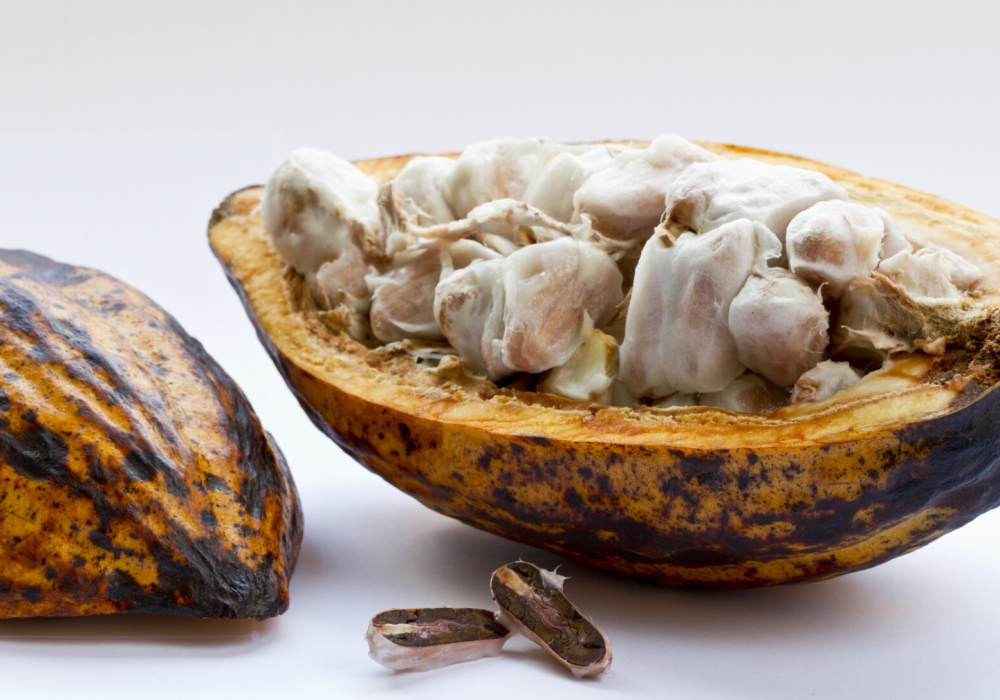
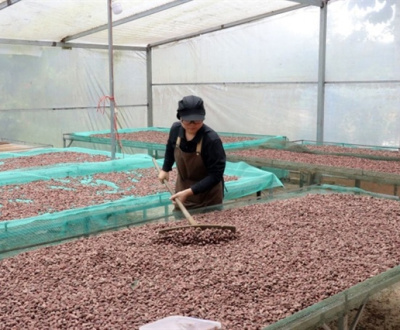
But recently, some Southeast Asian countries such as Indonesia, the Philippines… especially Vietnam is emerging as a region growing good quality cocoa raw materials. In addition to using good cocoa varieties, the climate and soil are suitable and fertile; along with farming techniques and fermentation treatment are important factors to help create high-quality cocoa raw materials.

Currently, Vietnam has three main cocoa-growing regions, namely the Mekong Delta (Tien Giang, Ben Tre, Hau Giang…), the Central Highlands (Dak Lak, Lam Dong, Gia Lai…) and the Southeast region (Dong Nai, Ba Ria – Vung Tau…). These regions have natural conditions favorable for cocoa cultivation, with suitable altitudes and cool climates. Here, besides small growing areas, a number of large farms and cocooperatives have emerged. Although there are still many limitations in terms of scale and farming techniques, many households have begun to switch to cocoa cultivation as a high-income option.
Although cocoa production in Vietnam is not as high as leading countries, this industry is developing and has the potential to develop in the future. Especially in the context that the world is experiencing a crisis of chocolate raw materials, many manufacturers are in need of importing cocoa raw materials from Vietnam. Many large chocolate brands have opened factories in Vietnam, prioritizing using raw materials here to bring internationally.
Although there are still many obstacles in terms of scale, output, cultivation methods… Vietnam has the advantage of high cocoa quality due to its suitable soil, climate and natural fermentation to create its own uniqueness. Many experts and organizations rank Vietnamese cocoa in the top 5% of the best flavored cocoa beans globally.
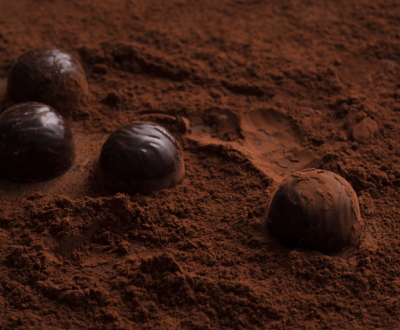
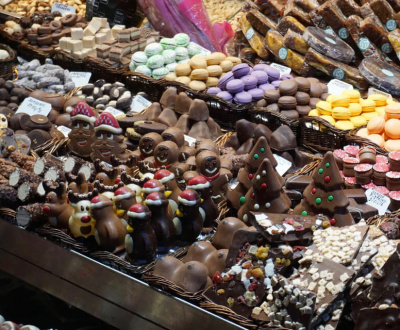
According to a representative of Nhat Huong, the current Vietnamese market mainly uses chocolate compound (using fat as palm oil) – accounting for over 90% of production, and only about 10% is cocoa chocolate (using fat from cocoa butter). This is a high-quality, healthy, well-soluble chocolate with good solubility and taste, and less boring compared to cheaper chocolate compounds. Fancy Foods is a rare unit that mainly focuses on providing high-quality cocoa chocolate, with most customers in the high-end segment such as restaurants, hotels or large bakeries.
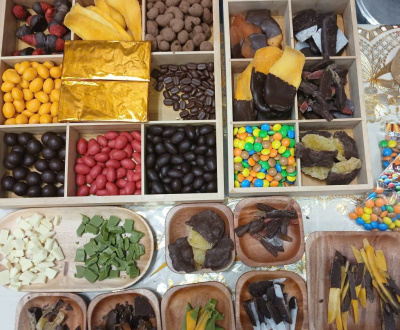
Fancy Foods is also constantly researching and creating finished chocolate lines, in order to improve the added value of products. This business has successfully tested the method of crushing and drying chocolate sublimation in cold temperatures with fruits and other ingredients. As a result, the unit produces finished products with low sweetness, dissolves quickly in the mouth, retains sweetness and blends such as chocolate yogurt, lemon, rose, strawberry, durian, seaweed, hot peppers, etc.
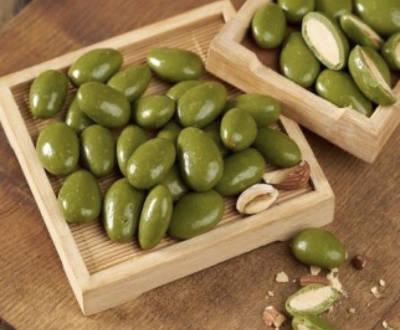
Fancy Foods is about to launch a product line of nut-wrapped chocolate and mixed chocolate under the Queenam brand. This is a premium chocolate produced with sublimated grinding, mixing and drying technology at low temperatures. From there, it brings the finished product that retains the fleshy, aromatic, greasy taste and nutrition of nuts as well as the characteristic aroma and taste of high-quality typical ingredients according to European standards
Bài Viết Khác
See all posts
Cacao Viet is an agricultural program developed by ESG Education & Business, aimed at promoting sustainable farming practices and supporting agricultural communities and the production industry. The program focuses on ensuring that products are produced in alignment with high environmental, social, and economic standards, contributing to environmental protection, improving the livelihoods of those involved in the project, and fostering social responsibility.
