The Taste of the Soil - The Scent of the Wind - The Story of Vietnam





balanced acidity, and long-lasting
finish—flavor characteristics shaped by a uniquely tropical climate.


The Taste of the Soil. The Scent of the Wind. The Story of Vietnam
HOW ARE COCOA BEANS PROCESSED?
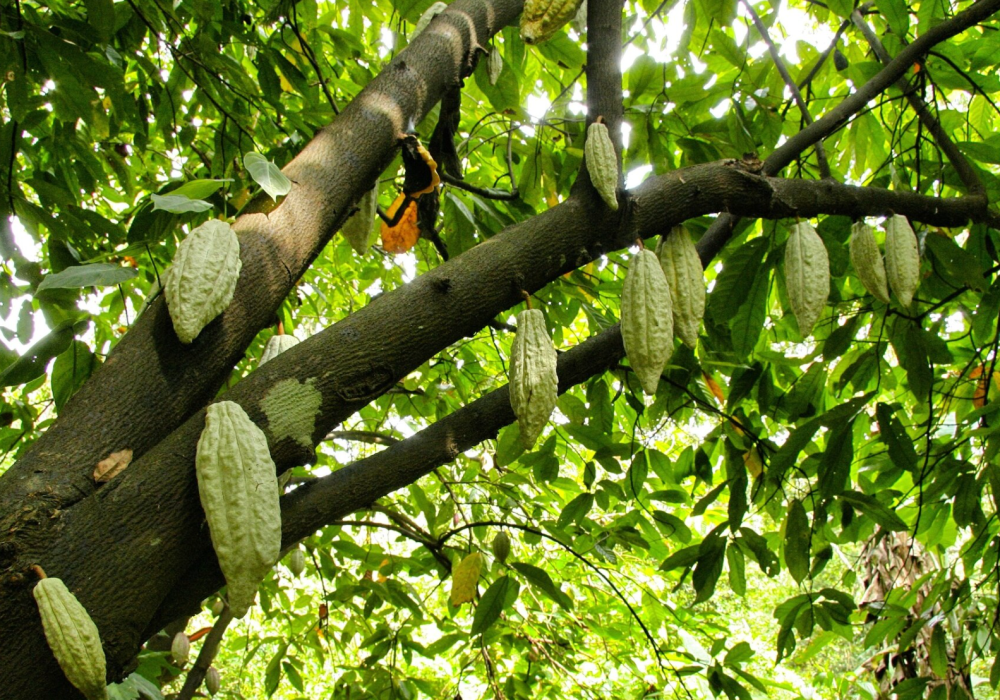
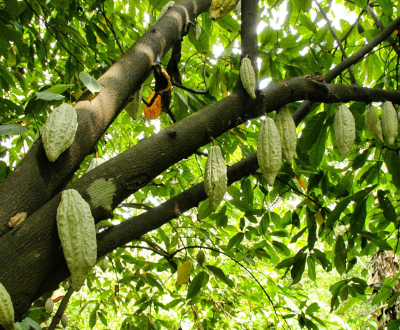
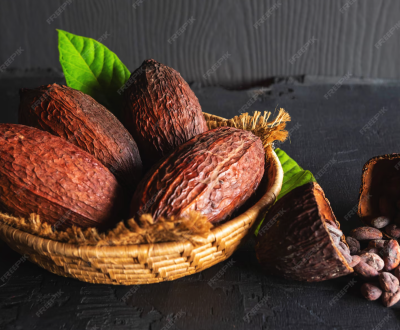
Unlike most other fruit-bearing trees, cacao fruit grows directly from the trunk or trunk of a large branch. On the fruit there are many grooves and shaggy skin. Unripe fruits come in various colors of green, red, purple, and when ripe they often turn yellow
When the fruit is ripe, judged by the color of the fruit, the farmer will cut the fruit down with a machete or with a long pole with a blade attached at the end for the fruits that grow overhead, this is done very carefully because the fruit grows right next to the trunk, if careless, it can be cut into the trunk. Affecting the next fruiting season
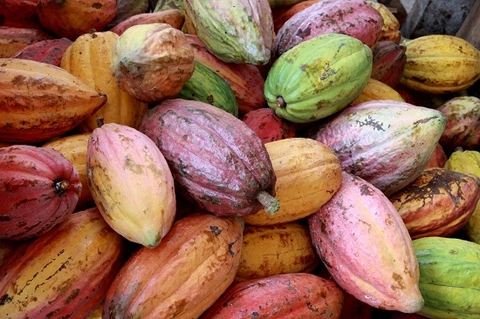
The fruit is then stored for 7-9 days to reduce the amount of mucous rice surrounding the seeds, making the fermentation process easier and the seeds less sour.
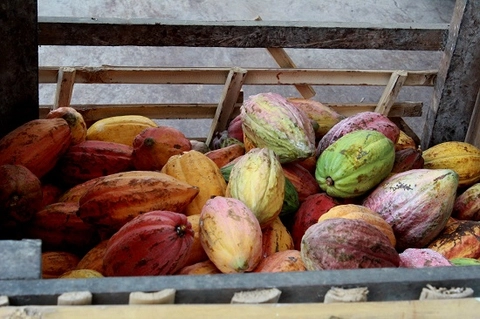
After the fruit has been stored for a full day, the farmer will use a machete or wooden pestle to split the fruit in half. Each fruit has 30-50 seeds.
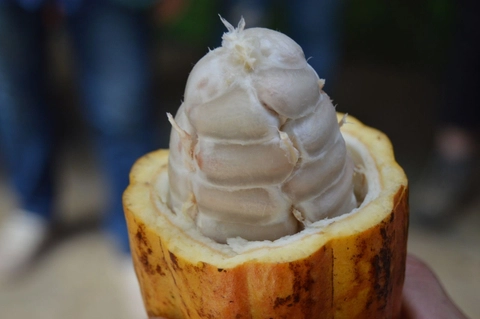
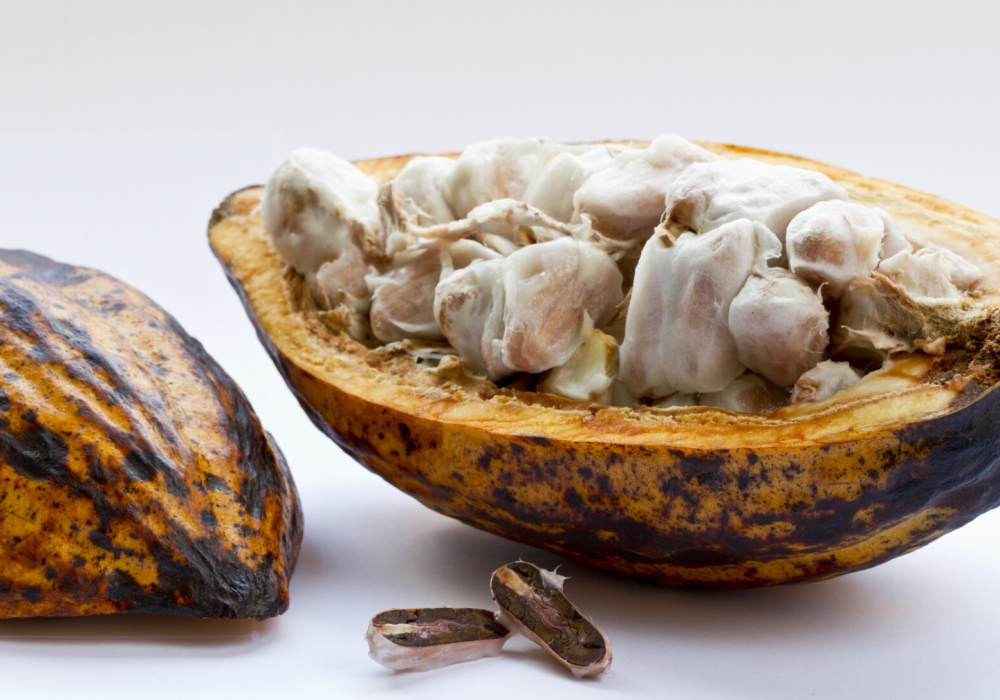
The grains are oval-shaped, wrapped in a layer of white mucous rice, it is this layer of mucous rice that is the factor that helps the fermentation process to occur. This slimy rice itself also tastes great, and can be pressed to make wine or soft drinks. After the fruit is separated, all the seeds and rice around the seeds are taken and put into a wooden barrel to prepare for the most important process: fermentation.
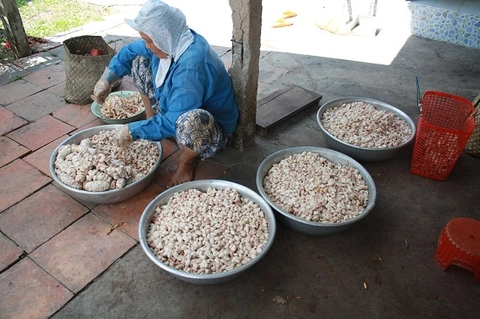
Farmers are separating each cocoa bean to prepare it for fermentation tanks
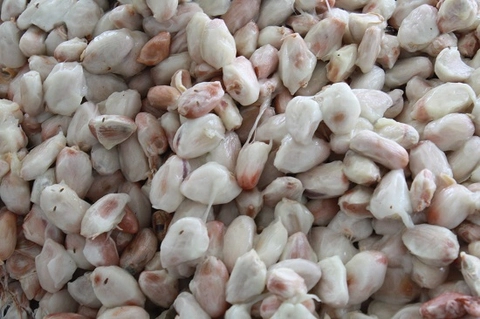
Fresh cocoa beans wrapped in white slimy rice
FERMENTATION PROCESS
The fermentation process will help remove the mucous rice that surrounds the seeds, it also makes the seeds no longer able to germinate to develop into plants. Most importantly, the fermentation process produces flavor precursors, which themselves have no taste but when exposed to high temperatures during the process of roasting cocoa beans in the factory, these precursors convert into the true tastes of chocolate. Without the fermentation of cocoa beans, the chocolate has no aroma at all. It can be said that the fermentation process is one of the most important processes (along with the roasting process, and later conching) to create the flavor of chocolate.
After being separated from the fruit, the seeds will be placed in wooden containers and covered with banana leaves. Banana leaves contain microorganisms that help the fermentation process to occur.
The fermentation process usually takes between 5-7 days, depending on the volume of particles in the barrel and the outdoor temperature, and during the fermentation process the temperature in the compost tank needs to be carefully monitored. If fermented insufficiently, the grains will remain very bitter, with little aroma after roasting, but if fermented excessively, the grains will be very sour and have an unpleasant taste similar to the smell of stale food.
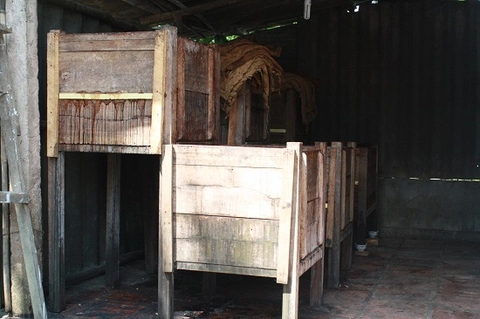
Fermentation tanks
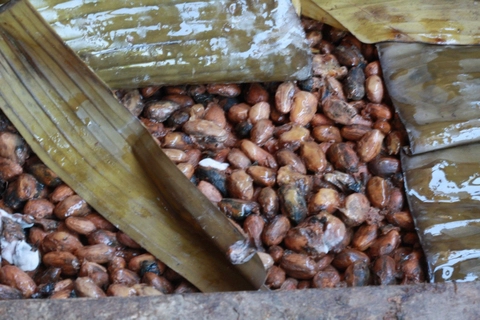
Grain in fermentation tanks
DRYING THE SEEDS
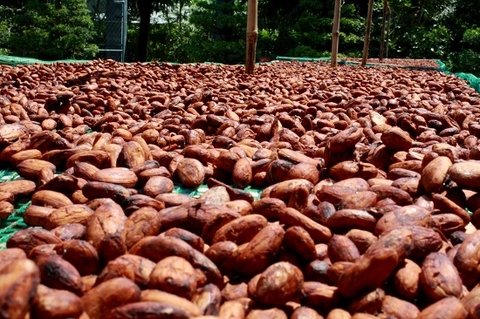
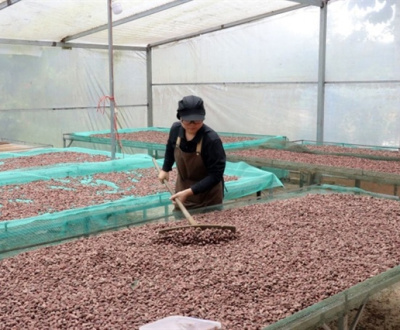
Drying seeds is for 2 purposes:
1. In order to reduce the moisture content inside the grain to 6%-8%.
The moisture content of 6%-8% helps prevent the formation and growth of mold inside the seeds during transportation and storage before being processed into chocolate. The mold makes the seeds taste very bad and can no longer be used. However, it is also not recommended to dry the seeds too dry, when the moisture content in the seeds is less than 6%, the seeds will be very brittle, making the transportation and processing process difficult in the future.
2 . Causing the volatile acids in the seeds to be released makes the seeds less sour.
Fermentation occurs when microorganisms from banana leaves convert the sugar present in the mucous rice that surrounds the grain into alcohol and then into acids. These acids will enter the grain through the thin shell at the top of the seed creating a series of chemical reactions that the most important result of which is the creation of flavor precursors. These precursors will turn into the true taste of chocolate when the cocoa beans are roasted. However, the acids, both volatile and non-volatile, will stay in the seeds, making them taste very sour. If the sun exposure process takes place too quickly under the intense sun, the volatile acids will not have enough time to escape, resulting in chocolate products made from these cocoa beans will taste very sour. If the seeds are dried in the light sun for many days (from 12 noon to 3 p.m., the seeds will be covered), the acid will have a lot of time to escape. Beans dried in this way take more time and effort, but in return the taste of the chocolate product will end up being tasty and less sour.
Bài Viết Khác
See all posts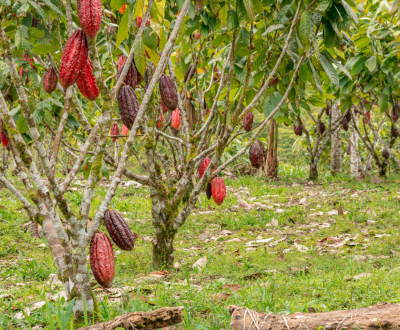
Cacao Viet is an agricultural program developed by ESG Education & Business, aimed at promoting sustainable farming practices and supporting agricultural communities and the production industry. The program focuses on ensuring that products are produced in alignment with high environmental, social, and economic standards, contributing to environmental protection, improving the livelihoods of those involved in the project, and fostering social responsibility.
