The Taste of the Soil - The Scent of the Wind - The Story of Vietnam



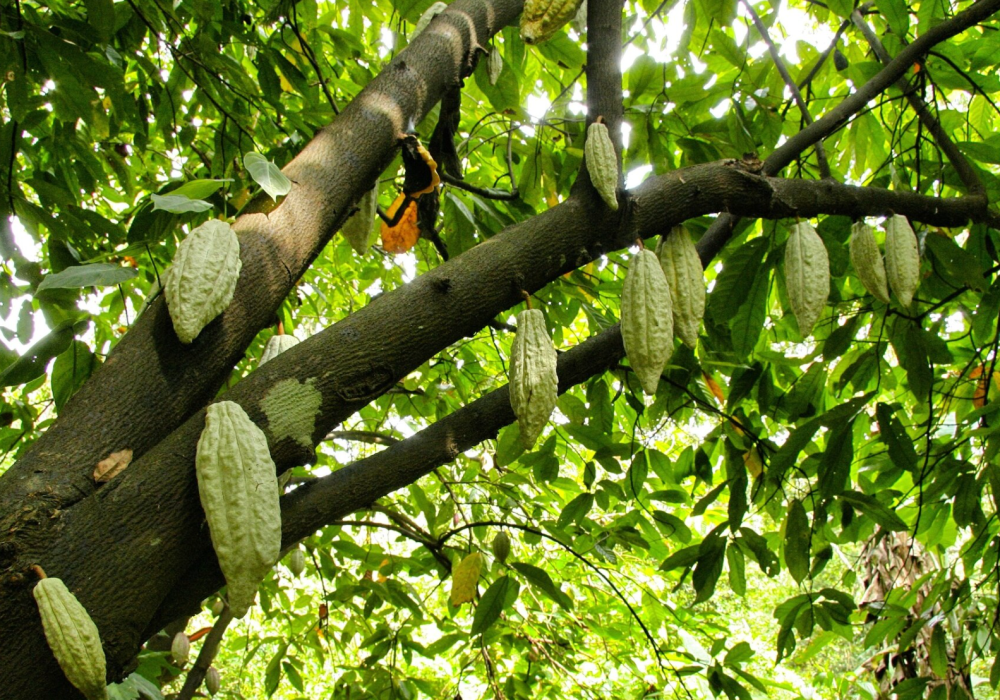

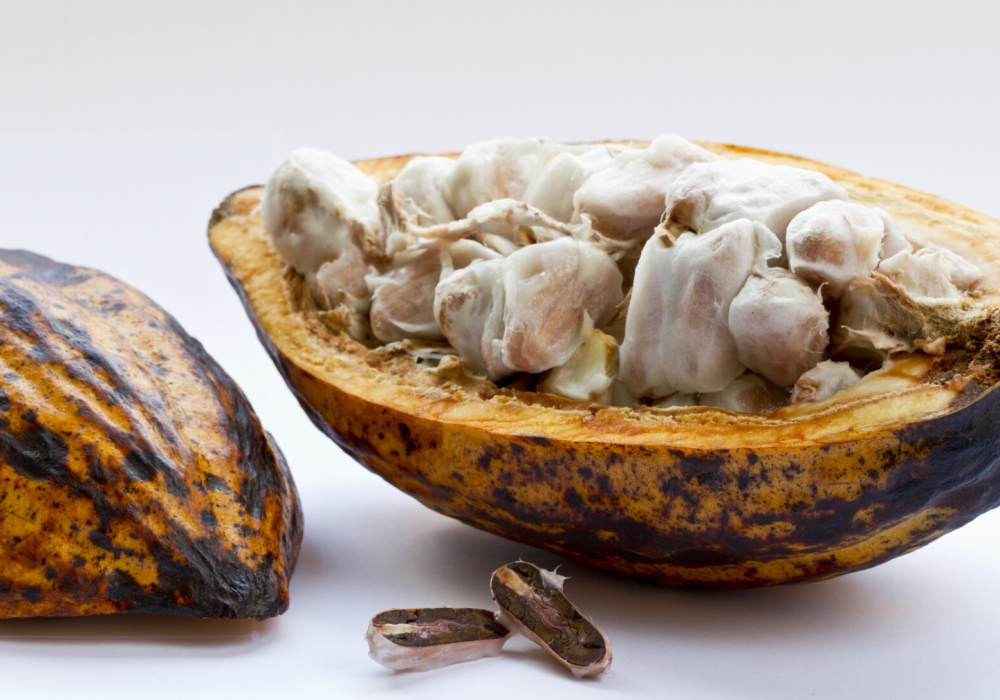
balanced acidity, and long-lasting
finish—flavor characteristics shaped by a uniquely tropical climate.


The Taste of the Soil. The Scent of the Wind. The Story of Vietnam
Overview of the world chocolate industry & highlights of Vietnam
In 2025, the global chocolate market is estimated at about 146 billion USD, a slight increase from 140.97 billion USD in 2024, with an average growth rate of about 3.5% per year. Although still growing, the industry is under pressure from international trade volatility — such as the U.S. imposing tariffs on chocolate from Belgium and cocoa from Ivory Coast — that increase production costs and affect final selling prices. At the same time, climate problems and pests in West Africa still put cocoa supplies at great risk. The long-term forecast is generally positive: by 2029, the market size may exceed 175 billion USD with a growth rate of about 4.7% per year.
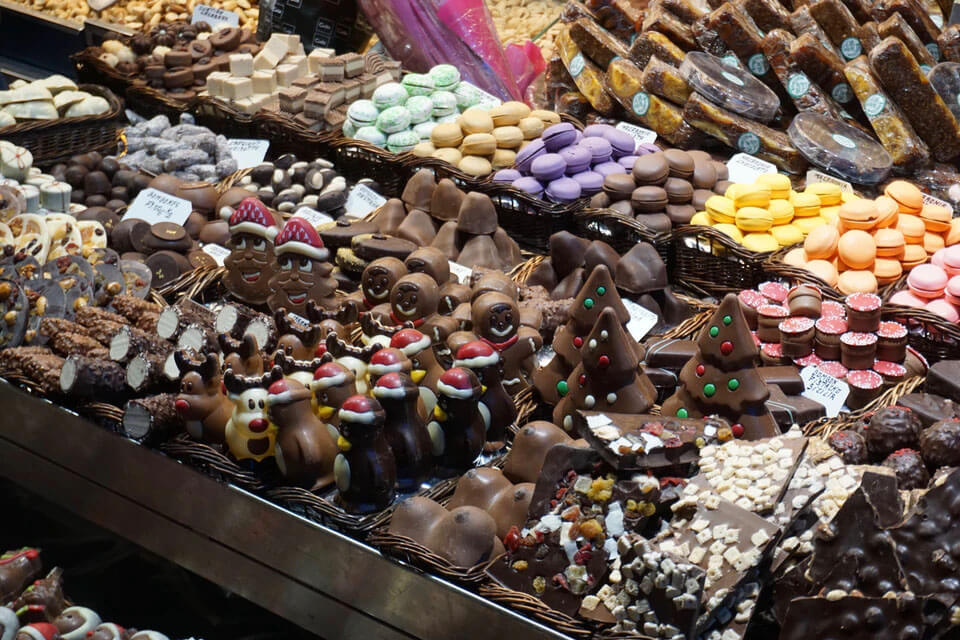
In that international picture, Vietnamese chocolate has emerged as a “potential bright spot”. Although the scale is small, domestic brands are increasing rapidly in the high-end segment and handmade products. They focus on the selection of ingredients to the fermentation process, the closed “bean-to-bar” cycle, and the traceability story — elements that are highly valued by the world. The Vietnamese brand is not only present in fastidious markets such as Europe, the US, Japan, but also develops characteristic flavors by combining cocoa with regional ingredients such as coconut, pepper, ginger, etc.
Opportunities for Vietnamese businesses to break through
To truly conquer the international market, the article proposes a number of strategic directions:
Optimize quality according to international standards
Markets such as Europe, the US, and Japan have very high requirements for food safety, organic certification, HACCP, ISO… The investment in processing technology, supply chain management and transparency of origin not only helps products meet difficult market conditions but also builds long-term trust with international consumers.
Take advantage of FTAs and tariff incentives
With agreements such as EVFTA, CPTPP, UKVFTA, etc., Vietnamese chocolate has the opportunity to access a large market where import tax costs are reduced or eliminated. However, in order to exploit effectively, businesses must understand the rules of origin (ROO), certification of origin and export conditions for each market.
Building a brand rich in stories and cultural values
Today’s global consumers appreciate products that have a story, social or environmental commitment. From telling the story of the cocoa region, to supporting farmers, protecting forests, building communities… will all make a difference and increase the “perceived value” of Vietnamese chocolate.
Promoting exports through cross-border e-commerce channels
E-commerce is a very suitable channel for small and medium-sized businesses to experiment and approach international customers. Vietnamese chocolate businesses can start with B2C (Amazon, Alibaba, Walmart…), then expand the B2B model. To optimize, it is necessary to focus on packaging that meets import standards, flexible logistics, good digital marketing and international customer care.
Typical brands & outstanding stories of Vietnamese chocolate
The article looks at some brands that have brought Vietnamese chocolate to the world:
Marou: a typical representative of Vietnamese chocolate, produced from six southern provinces. Marou has won international awards many times and has successfully penetrated fastidious markets such as Europe and the US.
Vietnamcacao: striving to become the leading supplier of cocoa-derived health food and beverages in Vietnam
Alluvia: taking Tien Giang cocoa as raw material, handmade bean-to-bar product line, typical fruit flavor, rich local.
Belvie: combines indigenous cocoa with ingredients such as cashews, coconuts, tropical fruits, creating its own character and won the silver award at the International Chocolate Awards.
Belcholat: a long-standing, Belgian-style brand that uses 100% imported cocoa butter from Barry Callebaut, specializing in supplying chocolate to high-end hotels and the gift market.
The Cocoa Project: a young brand but towards sustainable development, supporting farmers through the Cocoa traceability program (Cacao-Trace), integrating social values with quality products.
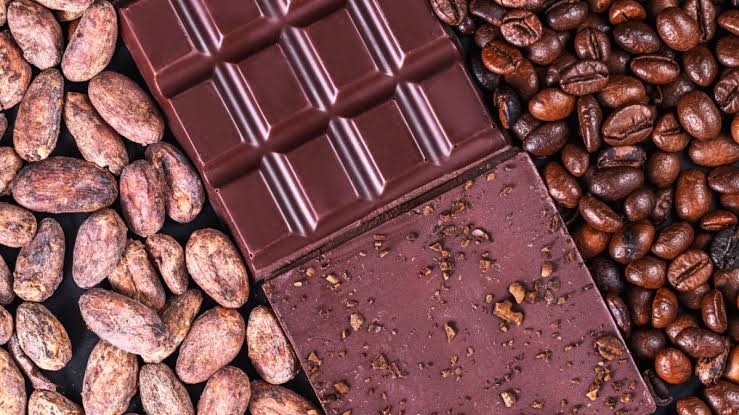
In the time of deep integration, Vietnamese chocolate stands a chance to break through to become a notable international name. With a typical source of cocoa, international tastes in favor of sustainable products, and a favorable FTA system, businesses only need to focus on quality, brand, export orientation and optimize distribution channels to conquer the fastidious market.
This is the “golden” time for Vietnamese chocolate to turn from a domestic product into the pride of agricultural products known to the world. Enterprises in the industry are invited to actively innovate, improve their capacity and spread Vietnamese values globally.
Bài Viết Khác
See all posts

Cacao Viet is an agricultural program developed by ESG Education & Business, aimed at promoting sustainable farming practices and supporting agricultural communities and the production industry. The program focuses on ensuring that products are produced in alignment with high environmental, social, and economic standards, contributing to environmental protection, improving the livelihoods of those involved in the project, and fostering social responsibility.
